Bermondsey Street rubbish removal guide for residents
Posted on 03/07/2026
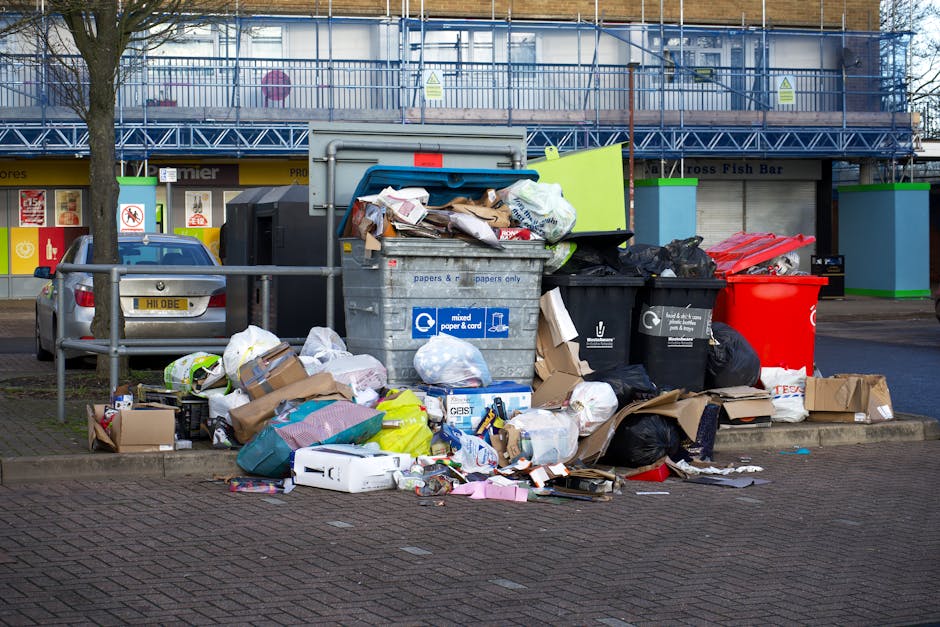
If you live on or near Bermondsey Street, rubbish has a habit of building up at exactly the wrong time. A flat clear-out before a move, a pile of packaging after a furniture delivery, garden waste from a tiny courtyard, or builders' rubble after a very optimistic DIY weekend - it all needs somewhere to go. This Bermondsey Street rubbish removal guide for residents explains the cleanest, safest, and most sensible ways to deal with household waste without turning your hallway into a staging area.
Truth be told, rubbish removal is rarely about just "getting rid of stuff". It is about choosing the right method for the type of waste, avoiding fines or awkward collection issues, and making sure the job is done neatly. That matters even more in a busy London street where access can be tight, parking can be awkward, and neighbours will notice if bags are left out too long.
This guide walks you through how rubbish removal works, what residents usually need, what to avoid, and how to decide between one-off collection, full waste removal, or a more specialist service. You will also find a checklist, a comparison table, and a practical example to make the whole thing easier to picture. Let's keep it simple.
Why Bermondsey Street rubbish removal guide for residents matters
Bermondsey Street has its own rhythm. It is lively, residential, and close enough to central London that space is usually at a premium. That changes the whole rubbish removal picture. In a wide suburban drive, you might drag a few bags out to the curb and call it a day. On Bermondsey Street, you need to think about access, timing, lift capacity, communal entrances, and whether the waste can be handled quietly and efficiently.
For residents, the guide matters because rubbish problems tend to become small headaches very quickly. Left too long, a few items can become blocked corridors, unpleasant smells, pests, or complaints from neighbours. And if you are disposing of bulky items, electricals, or renovation debris, the wrong approach can become expensive or simply not work at all.
There is also a practical local angle. Residents often juggle mixed waste streams: household rubbish, cardboard, old furniture, bin overflow, and occasional trades waste. A good rubbish removal plan saves time and reduces the "I'll deal with it later" pile that somehow grows every week. It sounds obvious, but then life happens, and suddenly you are standing beside three broken shelves and a bike with one wheel missing.
If you are also sorting out a move, a renovation, or a tenancy change, it can help to look at wider local context too. For example, our article on local advice for living in Bermondsey gives a useful sense of the area, while how to buy property in Bermondsey is helpful if your rubbish removal is tied to a move or property handover.
Key takeaway: on Bermondsey Street, rubbish removal is not just about speed. It is about choosing the right disposal method for a compact, busy urban setting and doing it with minimal disruption.
How Bermondsey Street rubbish removal guide for residents works
In practical terms, rubbish removal usually follows a fairly simple pattern: identify the waste, sort what can be reused or recycled, choose the right collection method, and arrange removal at a time that suits your building and neighbours. The details matter more than the broad idea.
Most resident jobs fall into one of these buckets:
- General household rubbish such as bags of mixed waste, broken items, or end-of-tenancy leftovers.
- Bulky item removal such as mattresses, wardrobes, desks, or sofas.
- Green or garden waste if you have a small outside area, planters, or pruning to clear.
- Builders waste from refurbishment, repairs, or DIY projects.
- Specialist clearances such as a full flat clearance or office-style items from a home workspace.
The next decision is usually whether you want a resident-managed clear-out or a professional collection. A resident-managed approach can work if the volume is low and the waste is easy to sort. But if you have a lot of heavy items, awkward access, or mixed materials, professional help is often the more realistic option. It is not glamorous, but it is efficient.
If your waste is part of a larger property project, you may also find it useful to read the Bermondsey real estate smart buy guide or the piece on Bermondsey party and event venues if your clear-out is linked to hosting, refurbishing, or staging a space. Different situations, same basic principle: clutter behaves like a stubborn houseguest.
A practical rubbish removal visit usually starts with a quick assessment of the waste type and volume. Then comes sorting, loading, and transport. Some jobs are straightforward. Others need extra care for stairs, narrow hallways, or shared access. Residents tend to appreciate clear communication here, because nobody likes surprises when a sofa has to be carried down three flights of stairs.
Key benefits and practical advantages
The biggest benefit of getting rubbish removal right is peace of mind. You clear the space, reduce risk, and stop waste from lingering around the home. But there are a few more concrete advantages worth noting.
- Faster turnaround: a proper removal plan clears space quickly, which is ideal before a move, guest visit, or refurbishment.
- Less physical strain: heavy lifting is no joke, especially with awkward or damaged items.
- Cleaner shared areas: in blocks or converted buildings, tidy removal protects hallways and communal entrances.
- Better sorting: separating recyclable items from general waste is easier when the process is planned.
- Reduced stress: once the waste is gone, the property feels immediately more manageable. You can actually breathe again.
Another advantage is flexibility. Residents rarely need the same thing every time. One month it may be a few bin bags and a broken chair. The next, it could be a full clearance after a tenancy change. A good rubbish removal approach adapts to the actual job, not an idealised version of it.
For residents interested in sustainability, there is often value in choosing an approach that prioritises reuse and recycling where possible. You can learn more about that thinking in our recycling and sustainability page. It helps to know that not everything needs to head to landfill, even if it looks like a chaotic pile on the floor.
Who this is for and when it makes sense
This guide is for Bermondsey Street residents, but the situations are broader than you might think. If you live in a flat, maisonette, converted building, or terraced property, you are probably dealing with space constraints already. That alone makes organised rubbish removal useful.
It tends to make sense when you are:
- moving in or moving out
- clearing a spare room, loft, or storage cupboard
- replacing furniture or appliances
- renovating a kitchen, bathroom, or single room
- dealing with post-party mess or event leftovers
- sorting a bereavement or family property clearance
- clearing garden waste after a seasonal tidy-up
- trying to restore order after a long, busy stretch of life
Sometimes the trigger is very ordinary. A wardrobe arrives, the old one needs to go, and suddenly the stairs are blocked by flat-pack packaging and a door that will not fit through the corridor. Other times it is more emotional, like a flat clearance that has to be handled with care. Either way, the principle is the same: the rubbish has to leave, and it should leave safely.
For more substantial clear-outs, residents often compare different service types. If that is where you are, the services overview is a sensible starting point, while house clearance in Bermondsey may be more relevant if the job is tied to a whole property rather than just a few bags.
Step-by-step guidance
If you want the process to go smoothly, break it into small steps. That is usually the difference between a calm collection and a last-minute scramble. Here is a straightforward way to handle it.
- Identify the waste type. Separate general rubbish, bulky items, recyclables, garden waste, and anything that may need special handling.
- Estimate the volume. Count bin bags, note large items, and look at how much floor or hallway space the waste occupies.
- Check access. Think about stairs, lifts, narrow doors, parking, and whether items need to be carried through shared areas.
- Sort what can be reused. If something still has life in it, keep it aside before the removal day.
- Choose the right removal method. Small household loads, larger clearances, and builders waste all need slightly different approaches.
- Prepare the area. Move breakables, protect surfaces if needed, and make sure the path to the exit is clear.
- Schedule wisely. Try to avoid peak disruption times if your building is busy, especially early mornings or just as neighbours are coming home.
- Confirm the final details. It sounds dull, but a quick check on what is being collected avoids confusion later.
A small but useful habit: take a photo before the collection. Not because you need evidence for drama, but because it helps you judge how much was actually cleared and whether anything was missed. Very handy when you are dealing with half-finished DIY chaos.
If the waste includes builders debris, a dedicated approach is usually best. Our page on builders waste disposal in Bermondsey is relevant where you have plasterboard, timber offcuts, tiles, packaging, or similar renovation leftovers. For garden cuttings, soil, and green waste, see garden waste removal in Bermondsey.
Expert tips for better results
A few small decisions can make a big difference. In our experience, the smoothest rubbish removal jobs are the ones where residents do a bit of preparation before collection day. Not a huge amount. Just enough.
- Keep mixed waste separate where possible. Cardboard, metal, wood, and electrical items are easier to handle when sorted early.
- Don't overfill bags. Overstuffed sacks rip at the worst moment, usually in the hallway.
- Measure large items. That wardrobe may look manageable until it reaches the stairwell.
- Protect common areas. A quick sweep and some care with corners go a long way in shared buildings.
- Be honest about the volume. Underestimating waste is one of the most common reasons jobs become awkward.
- Plan around noise. Metal, glass, and old furniture can make a surprising racket on stairs. Best to keep neighbours in mind.
One more thing: if you are unsure whether an item can be reused, recycle, or needs special handling, ask before collection day. That saves time and avoids the all-too-familiar "Oh, I thought someone else would deal with that" moment. We have all seen that movie, and it is not a good one.
For residents who care about secure bookings and smooth administration, it is also worth understanding how the business handles payments and data. The pages on payment and security and privacy policy are useful for that broader peace-of-mind angle.

Common mistakes to avoid
Most rubbish removal problems come from rushing. That sounds a bit obvious, but it is true. The waste itself is rarely the issue. The issue is poor preparation.
- Leaving everything until the last minute. A rushed clear-out usually leads to broken bags, missed items, and more stress.
- Mixing restricted items with general rubbish. Some items need different handling, so don't assume every object belongs in the same pile.
- Blocking access paths. If bags and furniture are stacked in a doorway, the collection becomes slower and riskier.
- Ignoring shared-building etiquette. Hallways, lifts, and entrances matter. A tidy process is part of being a decent neighbour.
- Guessing the job size. If you think it might be a larger load, say so. It is better to be slightly over-prepared than under-prepared.
- Forgetting about recycling opportunities. A bit of sorting can reduce waste and improve the overall outcome.
There is also a common emotional mistake: assuming the whole task has to be done in one heroic burst. It usually does not. Break it into phases if needed. Clear one cupboard, then the next. Sort the bags. Put the bulky items to one side. The process feels much less overwhelming that way.
Tools, resources and recommendations
You do not need a warehouse full of kit to manage rubbish removal well. A few basic tools and sensible habits are enough for most residents.
- Heavy-duty bin bags for general waste and smaller items
- Marker pens and labels for sorting what stays, what goes, and what gets recycled
- Gloves for handling dusty, sharp, or awkward materials
- Trolley or sack truck if you are moving multiple bulky items through a building
- Measuring tape for checking whether large furniture will fit through doors or stairwells
- Phone camera to record item condition or confirm what has been cleared
On the resource side, the most useful pages are often the ones that clarify the broader service picture. If you are weighing up different kinds of clear-out, waste removal in Bermondsey is a useful general reference, while rubbish collection in Bermondsey is helpful for smaller or more routine jobs. If you are dealing with a work-from-home setup or home office clutter, office clearance in Bermondsey may be the better fit.
For people comparing providers, pricing transparency matters. A clear quote process helps you understand what is included, what is excluded, and whether access or extra labour may affect the final figure. The pricing and quotes page is a sensible place to start if you want that side of things to feel less vague.
Law, compliance, standards, or best practice
This is the bit many residents skip until it becomes a problem. In the UK, waste should be handled responsibly, and that includes making sure it is taken by someone who can manage it properly. For residents, the simplest best practice is to avoid handing waste to anyone who cannot clearly explain how it will be handled.
You do not need to become an expert in waste regulation to stay on the safe side, but a few principles are worth keeping in mind:
- Do not leave waste where it causes obstruction in communal areas, pavements, or entrances.
- Separate hazardous or unusual items from ordinary household rubbish.
- Use properly insured and safety-conscious services where items are heavy, awkward, or likely to damage property.
- Keep a record of what was removed if you are clearing a rented, shared, or managed property.
- Be cautious with electricals, paint, batteries, and sharp materials because these are not best treated as ordinary black-bag waste.
Good practice also means choosing a provider that treats access, lifting, and transport with care. That is where pages like insurance and safety become relevant. If a job involves stairs, tight corners, or valuable fixtures, you want the process managed properly rather than improvised on the spot.
There is no need to overcomplicate this. Just think: is the waste being removed safely, lawfully, and without creating problems for other people? If the answer is yes, you are usually in good shape.
Options, methods, or comparison table
Residents usually end up choosing between doing the job themselves, arranging a collection for smaller loads, or booking a more comprehensive waste removal service. Here is a simple comparison to help you think it through.
| Method | Best for | Strengths | Limitations |
|---|---|---|---|
| DIY disposal | Very small loads, a few bags, simple items | Can be cheap if you already have transport and time | Heavy lifting, access issues, time-consuming, easy to misjudge volume |
| Rubbish collection | Moderate household waste, bags, a few bulky pieces | Convenient and usually straightforward for residents | May not suit large clearances or mixed construction waste |
| Waste removal service | Larger loads, mixed waste, awkward items, time-sensitive jobs | Efficient, flexible, less physical effort | May be more than you need for tiny jobs |
| Specialist clearance | Whole-property clear-outs, office items, builder debris, garden waste | Best match for specific waste types and larger projects | Requires more planning, but usually worth it |
The right choice depends on volume, access, and how much time you want to spend moving things around. A one-bedroom flat with a few bags is a different beast from a full declutter after a renovation. And yes, the latter always seems to involve more dust than you expected. Always.
Case study or real-world example
Here is a realistic example based on the kind of situation Bermondsey Street residents often face.
A couple in a converted flat decided to replace a sofa, clear an old shelving unit, and empty a storage cupboard that had become a graveyard for packaging, unused kitchen items, and three different extension leads nobody trusted anymore. Nothing dramatic. Just one of those household jobs that grows legs.
They first sorted the waste into four piles: keep, donate, recycle, and remove. Cardboard and packaging were flattened. The old shelves were measured because they needed to pass through a narrow internal doorway. The sofa was checked against the lift size, then the hallway route was cleared. They also set aside a bag of small mixed rubbish that had been building up for weeks.
Because access in the building was tight, the removal team was told about the stairs, the lift, and the need to avoid peak foot traffic. The collection went ahead without blockages, and the flat felt noticeably larger afterwards. Nothing magical. Just less stuff in the way.
The biggest win was not only the cleared space. It was the reduction in background stress. Once the rubbish had gone, they could finish redecorating without tripping over old items every five minutes. Small job, big relief.
Practical checklist
Use this checklist before your next rubbish removal day. It keeps things tidy, and it stops little mistakes from turning into bigger ones.
- Have I sorted general waste, bulky items, and recyclables?
- Do I know roughly how much needs to be removed?
- Have I checked access, stairs, lift space, and parking constraints?
- Are any items fragile, sharp, heavy, or unusual?
- Have I separated anything that should be kept, donated, or reused?
- Is the path from the property to the exit clear?
- Do neighbours or building management need advance notice?
- Have I confirmed the date, time, and collection details?
- Do I have gloves, tape, labels, or a trolley if I need them?
- Have I thought about recycling or specialist handling where relevant?
If you can tick most of those off, you are in a good place. If not, no panic. A bit of prep on the morning of collection can still rescue the day. Happens more often than you would think.
Conclusion
A good Bermondsey Street rubbish removal plan is really about making a busy urban life feel manageable. Once you know what you are clearing, how much there is, and which removal route fits best, the whole job becomes much less stressful. Residents do not need perfection. They need a process that is practical, safe, and respectful of shared spaces.
Whether you are clearing a single room, sorting renovation waste, or dealing with a larger property project, the smart move is to plan a little, sort a little, and choose the right level of help. That is usually enough to keep things moving without drama.
For residents comparing services and next steps, you may also find it useful to look at our wider services overview and the pages for waste removal in Bermondsey or rubbish collection in Bermondsey depending on the size of the job. Small choice, but it makes a real difference.
Get a free quote today and see how much you can save.
And once the rubbish is gone, the room feels different. Quieter somehow. Wider. A little more yours again.


Copyright © . House Clearance Bermondsey. All Rights Reserved.