Maltby Street Market rubbish clearance tips for stallholders
Posted on 10/08/2026
Maltby Street Market Rubbish Clearance Tips for Stallholders
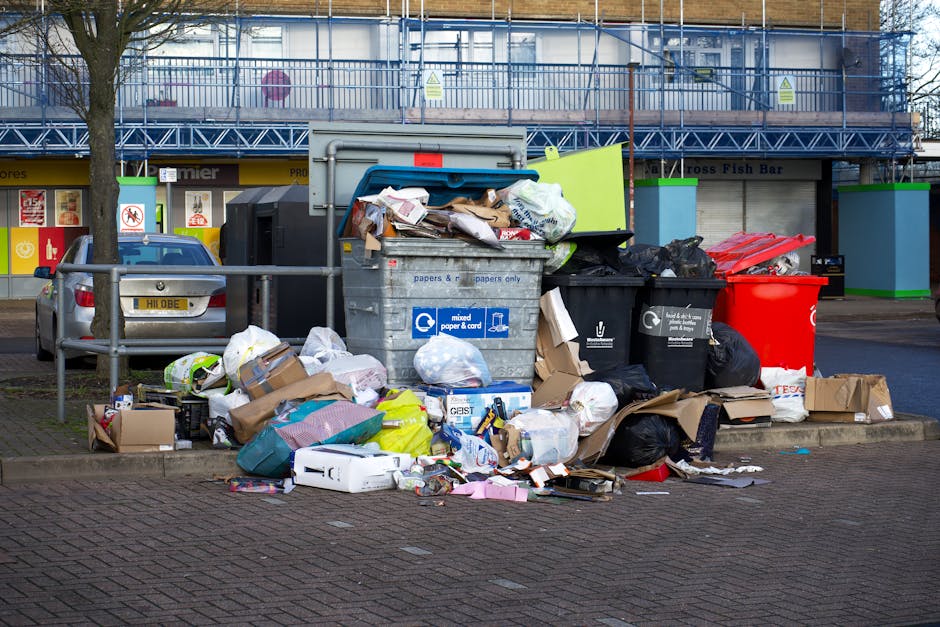
If you trade at Maltby Street Market, you already know the rhythm: early setup, steady footfall, a busy lunch rush, then the slightly awkward end-of-day moment when boxes, wrapping, food scraps, broken-down displays, and general market clutter all need clearing quickly. Good Maltby Street Market rubbish clearance tips for stallholders are not just about tidiness. They help you work faster, protect your brand image, stay on the right side of site expectations, and make closing time far less chaotic.
Truth be told, rubbish builds up faster than most stallholders expect. One busy Saturday can leave you with more waste than a tiny van load, and if you leave the clean-up too late, you end up rushing, overspending, or making avoidable mistakes. This guide breaks the process down into simple, practical steps so you can keep your stall clear, your workflow smooth, and your market day under control.
Along the way, you will find a realistic approach to waste segregation, collection timing, compliance basics, and what to do when the rubbish is not just ordinary packaging but bulky, mixed, or awkwardly shaped waste. If you run a food stall, retail pitch, or pop-up, there is something here you can use straight away.
- Why it matters
- How it works
- Key benefits and practical advantages
- Who this is for
- Step-by-step guidance
- Expert tips for better results
- Common mistakes to avoid
- Tools, resources and recommendations
- Law, compliance, standards, or best practice
- Options, methods, or comparison table
- Case study or real-world example
- Practical checklist
- Conclusion
- Frequently asked questions
Why Maltby Street Market rubbish clearance tips for stallholders Matters
At a market like Maltby Street, presentation matters just as much as the product on the table. A clean stall feels more inviting, and customers notice it even when they do not consciously think about it. A cardboard pile tucked awkwardly behind the counter, a bin bag that is getting soft in the rain, or a spill that has been left too long can make the whole pitch feel less cared for. That is not ideal when you are trying to sell food, drinks, artisan goods, or anything premium.
Waste management also affects pace. If you do not plan for removal from the start of the day, rubbish can creep into your working space, block storage areas, and slow down service. We have all seen that little dance where a stallholder keeps shifting things from left to right because there is nowhere proper to put them. Not a disaster, but it adds friction. And friction costs time.
There is a practical side too. Market stalls often deal with mixed waste: food packaging, trays, wipes, broken cartons, plastic wrap, greasy paper, and sometimes food waste or damaged stock. If it is not sorted properly, disposal gets more awkward and often more expensive. Clean separation at the point of use is usually easier than sorting everything at the end when you are tired and the market is winding down.
For a wider look at local waste habits and everyday clearances in the area, you may also find the guidance in our Bermondsey street rubbish removal guide for residents useful, especially if you are dealing with similar tight-space collection issues.
How Maltby Street Market rubbish clearance tips for stallholders Works
The simplest way to think about stall waste is this: create a system before the rubbish appears. Once service starts, you do not want to be improvising. A decent waste plan covers three things: collection points, separation, and removal timing.
Collection points are the places where waste is generated and stored temporarily. For a food stall, that might include a small caddy for prep waste, a separate bag for recyclables, and a lidded bin for general waste. For a retail stall, it may be mostly cardboard, tissue paper, wrapping, and broken-down display materials. The aim is to keep each waste stream controlled rather than letting everything merge into one unpleasant heap.
Separation matters because mixed waste is messy and inefficient. Cardboard that is soaked with food waste is harder to handle. Plastic film tangled with paper slows everything down. If your stall is busy, it is worth assigning one person to watch waste flow at intervals. That sounds basic, and it is, but basic systems are often the ones that work best under pressure.
Removal timing is where many stallholders either win or lose the day. The best approach is usually a two-stage process: light clear-down during trading, then a full end-of-day clearance once service finishes. If you leave all waste until the last minute, you create a bottleneck. If you over-clear too early, you risk disrupting trade. There is a balance, and you tend to find it after a few market days, not from a brochure.
In practical terms, waste clearance at a market is less about grand logistics and more about a repeatable routine. Small decisions made early save large headaches later. Simple enough. Still easy to ignore when it is busy.
Key Benefits and Practical Advantages
Good waste clearance is not glamorous, but it pays you back in several ways. The obvious one is a cleaner pitch. Less obvious is the way it improves speed, reduces stress, and helps the day end on a calmer note. That last part matters more than people admit.
- Better customer perception: a neat stall feels more professional and more trustworthy.
- Faster pack-down: if waste is separated as you go, closing time is less frantic.
- Less clutter: clear working space means fewer knocks, spills, and awkward movements.
- Lower contamination risk: food waste and clean packaging are easier to manage separately.
- Reduced overspilling: well-managed bags and containers are less likely to burst or blow about.
- Better recycling outcomes: cleaner segregation generally supports more responsible disposal.
There is also a quieter benefit: confidence. When you know where everything goes, the stall feels under control. That sounds small, but on a cold Friday morning with deliveries arriving and the espresso machine hissing in the background, control is a lovely thing to have.
If sustainability is part of your brand story, waste discipline supports it in a very real way. You can speak more credibly about reducing packaging, reusing materials, and disposing of leftovers sensibly. For more on that angle, see recycling and sustainability practices on the site.
Who This Is For and When It Makes Sense
This advice is for any stallholder who needs to clear waste quickly, neatly, and without drama. That includes food traders, street-food operators, drinks stands, florists, makers, vintage sellers, and pop-up retailers. If your stall produces more than a tiny amount of waste, you need a system. If you are trading on your own, you probably need an even better one because there is no spare pair of hands to mop up the gaps.
It makes particular sense if you:
- trade on busy days with high footfall
- use disposable packaging, napkins, trays, or wrappers
- handle perishable items or food preparation waste
- break down cardboard boxes and display materials on-site
- work in a compact pitch where storage is limited
- need to clear waste in a tidy, low-visibility way without disrupting adjacent stalls
It also matters if you share nearby spaces with residents, businesses, or other traders. Market waste tends to become everybody's problem if it is left in the wrong place. Nobody wants a bag leaking onto the pavement at the end of the day. Nobody. That includes you.
And if you are setting up a stall for a one-off event or private function in the Bermondsey area, market-style clearance habits still help. You might find related local planning ideas in this Bermondsey party and event venues guide, especially if the waste volume is likely to be higher than usual.
Step-by-Step Guidance
Here is a practical process you can actually use. Not theory. A proper routine.
-
Assess your waste before trading starts.
Look at what the stall will produce: packaging, food scraps, display waste, cleaning materials, broken stock, or all of the above. This tells you how many bags, bins, and containers you will need.
-
Set up separate waste streams.
Even a simple split between general waste, recycling, and food waste can make a big difference. If you only have room for two categories, start with the two that matter most for your stall. Do not overcomplicate it.
-
Place bins where waste is actually created.
If the bin is too far away, people will leave rubbish on counters or in bags by their feet. Put containers where the work happens, not where they look neat on paper.
-
Use liners and secure bags properly.
Loose bags and flimsy liners are a false economy. Grease, moisture, and sharp edges can quickly turn a tidy bag into a mess. Double-bagging certain waste types can save you a headache later.
-
Do a light clean-down during the day.
Every so often, clear the obvious clutter before it spreads. A quick reset after a lunch rush can restore order in minutes.
-
Break down materials as you go.
Flatten boxes, fold packaging, and compress light waste where safe. This reduces volume and makes end-of-day handling much easier.
-
Separate bulky items from loose waste.
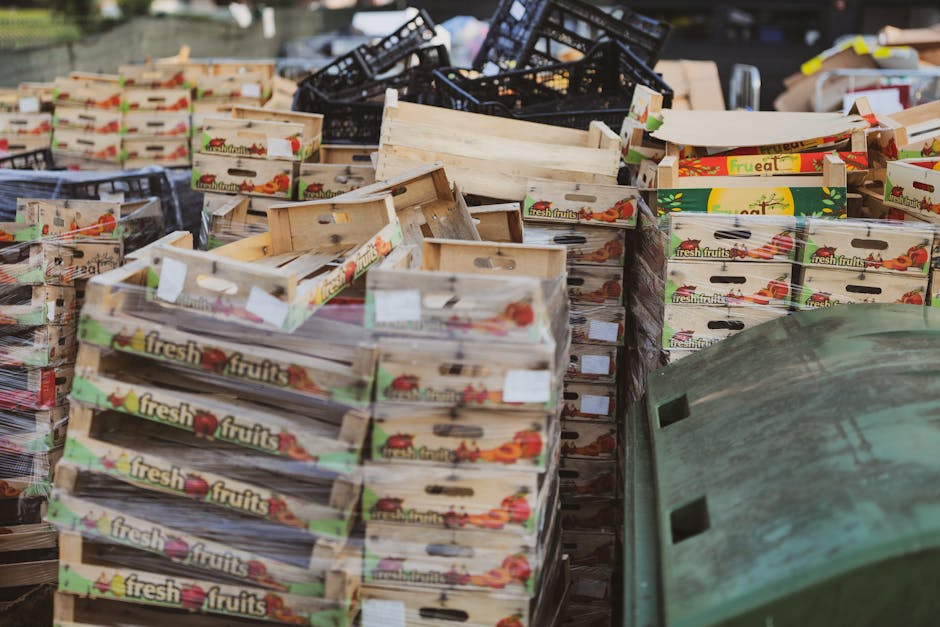
Cardboard, wooden crates, display boards, and damaged props should not be mixed with food or soft waste. Keep bulky items in one place so they can be removed efficiently.
-
Pack down with the exit in mind.
Think about how waste will move from stall to removal point. If you have to thread through crowded walkways, build that into your timing. A route that looks fine at 7am can be awkward at 4pm.
-
Leave the pitch cleaner than you found it.
That is not just good manners; it is good business. A spotless finish supports repeat trading and keeps relationships smoother all round.
It may sound almost too simple, but simple systems work. You do not need a fancy operation. You need consistency.
Expert Tips for Better Results
Small adjustments make a big difference when you are clearing rubbish in a tight, busy market environment. The best stallholders rarely rely on one trick. They build a few habits that quietly do the heavy lifting.
- Use colour-coded bags or labels so staff and helpers can identify waste streams fast.
- Keep a spare roll of liners tucked away in case one tears halfway through service.
- Store cleaning wipes and a dustpan together so you are not hunting for them when something spills.
- Plan for rain. Wet cardboard is heavier, harder to flatten, and generally far less pleasant to handle.
- Schedule your pack-down around the real end of trade, not the theoretical one. Markets have a habit of stretching by ten minutes. Or twenty.
- Ask nearby traders what works for them. One stallholder's routine may suit your setup better than any generic advice.
One practical observation from the field: if you leave cardboard until the very end, it always seems bigger than you expected. Somehow it multiplies. Not literally, of course. Although by closing time, it can feel that way.
If you need support for larger clear-outs after events, refits, or stock changes, broader collection guidance such as rubbish collection in Bermondsey may be worth reviewing alongside your day-to-day stall routine.
Common Mistakes to Avoid
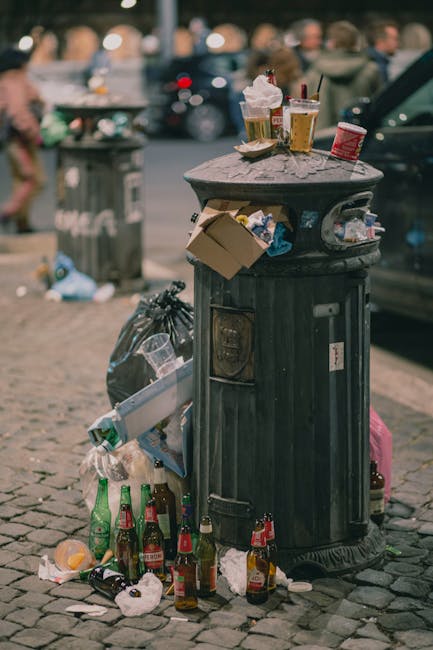
Most clearance problems are not caused by huge failures. They come from small, repeated oversights. The good news? They are easy to fix once you spot them.
- Waiting until closing time to sort everything. That is how waste turns into a rush.
- Mixing food and dry waste. It creates more odour, more mess, and more difficulty downstream.
- Using containers that are too small. Overfilled bins are awkward and look unprofessional.
- Forgetting about bulky packaging. Flat items still take space if they are not broken down properly.
- Leaving waste in walkways. It is a trip hazard and a poor look for customers passing by.
- Assuming someone else will deal with it. A market needs coordination, not guesswork.
- Ignoring weather and wind. Light packaging can escape very easily in exposed spaces.
Another mistake is treating every stall day the same. A quiet weekday, a packed weekend, and a special event do not generate the same waste pattern. If you trade often, it helps to keep a simple mental note of which days create more cardboard, more food waste, or more end-of-day leftovers. That little bit of memory saves money and effort later.
For traders dealing with mixed loads or larger clearances outside the market, waste removal services in Bermondsey can be a useful reference point when planning a bigger clean-up.
Tools, Resources and Recommendations
You do not need much gear, but the right basics make stall waste management easier from minute one.
| Tool or resource | Why it helps | Best used for |
|---|---|---|
| Heavy-duty bin bags | Less likely to tear or split under weight | General waste and mixed packaging |
| Recycling bags or clearly marked sacks | Helps separate cardboard, plastics, or paper | Dry recyclable waste |
| Lidded caddies or food-safe bins | Contains odour and keeps waste contained | Food prep and organic waste |
| Box cutter or safety knife | Makes downpacking cardboard faster and neater | Flattening packaging |
| Folding trolley or sack truck | Reduces strain when moving bags and boxes | End-of-day removal |
| Cleaning cloths and wipes | Lets you clear spills before they spread | Service-time spot cleaning |
As for resources, it is often worth combining your market routine with a more general disposal plan. Some traders only need regular collection support; others need occasional one-off clearances after refits, stock changes, or seasonal events. If your business also keeps stock, paperwork, or fixtures off-site, office clearance in Bermondsey can be relevant for back-room tidy-ups too.
If you want to understand the business's broader approach to service standards and support, the services overview is a sensible place to start. And if you are comparing options, the pricing and quotes page can help you understand how costs are usually approached before you make a decision.
Law, Compliance, Standards, or Best Practice
Waste handling for stallholders is not just a practical issue. There are also common-sense compliance expectations around keeping trading areas safe, not blocking public space, and making sure waste is handled properly. The exact obligations can vary depending on your trading setup, the site rules, and the type of waste you generate, so it is wise to check the requirements that apply to your own stall and operating arrangement.
As a rule of thumb, best practice includes:
- keeping waste contained and not scattered around the pitch
- separating recyclable material where possible
- preventing foul odours and leaks from food waste
- not leaving bags where they obstruct customers, staff, or emergency access
- using responsible disposal routes for bulky or mixed waste
If you trade food, the hygiene angle matters as well. Cleanliness is part of the service. A tidy stall supports better food handling, cleaner prep spaces, and fewer contamination risks. That does not mean perfect, but it does mean consistently decent. That distinction matters.
Insurance and safety also come into play. Slips, trips, and blocked exits are obvious risks, but even smaller issues can create problems if waste is not managed carefully. For a broader view of safety-conscious working, the page on insurance and safety is worth a look.
Because market conditions and local arrangements can change, keep your approach flexible. If in doubt, ask for site-specific guidance before assuming a bin collection routine will be acceptable. Better a slightly awkward question than an avoidable issue later. Nobody wants that conversation in the rain, at 5:15pm.
Options, Methods, or Comparison Table
Different stallholders need different clearance methods. A small craft pitch will not need the same setup as a busy food operation. Here is a straightforward comparison to help you decide what suits your stall.
| Method | Best for | Pros | Limitations |
|---|---|---|---|
| Self-managed bagging | Small to medium stalls with predictable waste | Low cost, simple, flexible | Needs discipline and good timing |
| On-stall sorting system | Food stalls and mixed-waste traders | Better recycling, faster close-down | Needs more space and clear labelling |
| Scheduled collection support | Regular traders with steady waste output | Reliable, less manual strain | Less flexible if trade varies week to week |
| One-off bulky clearance | After events, refits, or stock resets | Handles larger, awkward items | Not ideal for day-to-day market waste |
For many stallholders, the best answer is a hybrid approach: small on-site sorting during trade, then a planned removal or collection arrangement for anything bulky or awkward. That combination is usually the sweet spot. Not fancy, just effective.
If your stall's waste pattern changes seasonally, it can help to review your setup every few months rather than treating it as fixed forever. Summer service may produce more food waste; winter may mean more packaging, insulation materials, or display changes. The market changes, and your system should too.
Case Study or Real-World Example
Here is a realistic example based on a common stallholder scenario. Imagine a small food trader selling hot sandwiches and drinks on a busy market day. Early on, waste seems manageable: a few napkins, some drink cups, and cardboard sleeves. By lunchtime, though, the stall has a growing pile of packaging, food prep scraps, and wet wipes from spill clean-ups. A couple of cardboard boxes are leaning behind the counter, and one bag is already nearly full.
At first, everything looks fine. Then service gets busier. There is suddenly nowhere to put the next batch of packaging, and staff begin stacking waste on the corner of the work surface. That is where the slowdown starts. Customers see the clutter, the team gets slightly flustered, and the end-of-day pack-down takes twice as long as it should.
Now compare that with a stallholder who uses three simple habits: a small food caddy, a clearly marked bag for packaging, and a mid-session sweep at around lunchtime. By the end of trade, the stall has only a short pack-down list. Boxes are flattened as they arrive, food waste is contained, and the final clear-up is mostly a matter of moving pre-sorted bags to the agreed collection point. Same volume of trade. Very different stress level.
That is really the whole point. Better rubbish clearance does not have to be dramatic. It just needs to be planned. Once you get the rhythm right, everything feels lighter. Less frantic. More professional.
Practical Checklist
Use this before, during, and after trading to keep your stall tidy and your clearance under control.
- Have enough bin bags, liners, and spare ties before opening
- Separate general waste from recyclables where possible
- Keep food waste contained in a lidded bin or caddy
- Flatten cardboard and pack it safely as you go
- Keep waste out of customer walkways and shared paths
- Do a mid-session tidy-up during busy periods
- Check that no sharp or heavy items are loose in the waste pile
- Secure bags so they do not split or blow open
- Confirm your end-of-day removal route before closing
- Leave the pitch clean, dry, and swept down
Quick takeaway: the easiest waste system is the one you can repeat every week without thinking too hard about it. That is the goal.
Get a free quote today and see how much you can save.
Conclusion
Stallholder waste management at Maltby Street Market is really about keeping control of the little things before they turn into a bigger job. The best Maltby Street Market rubbish clearance tips for stallholders are not complicated: sort early, clear as you go, flatten what you can, and plan the end-of-day handover before trade gets busy.
If you do that well, you save time, protect your presentation, and make life easier for everyone around you. That includes customers, neighbours, and the people sharing the market with you. It also makes your own day feel smoother, which is no small thing when you have been on your feet since dawn.
Start small, stay consistent, and build a routine that fits the way you actually trade. That is where the real value is. Not in perfection. In steady, sensible control. And honestly, that is usually enough.

Copyright © . House Clearance Bermondsey. All Rights Reserved.